The collaboration between two professors and writers, Sava Damjanov and Milorad Pavić, represents one of the most interesting and fruitful relationships in contemporary Serbian literature and academic life. It went far beyond the conventional relationship between professor and student, developing into a long-standing intellectual affinity, a shared literary mission, and a sincere friendship.
Pavić recognized in Damjanov a young scholar who possessed a special "intuitive nerve" for discovering neglected, eccentric, and forgotten authors.
Pavić wrote forewords to Sava Damjanov's key early scholarly books (The Great Code, on Đorđe Marković Koder, and Gardens of the Unreal). In doing so, he lent academic legitimacy to Damjanov's then radical, postmodern approach to interpreting literary tradition.
What bound them most strongly was their shared passion for literary fantasy, linguistic experimentation, and postmodernism.
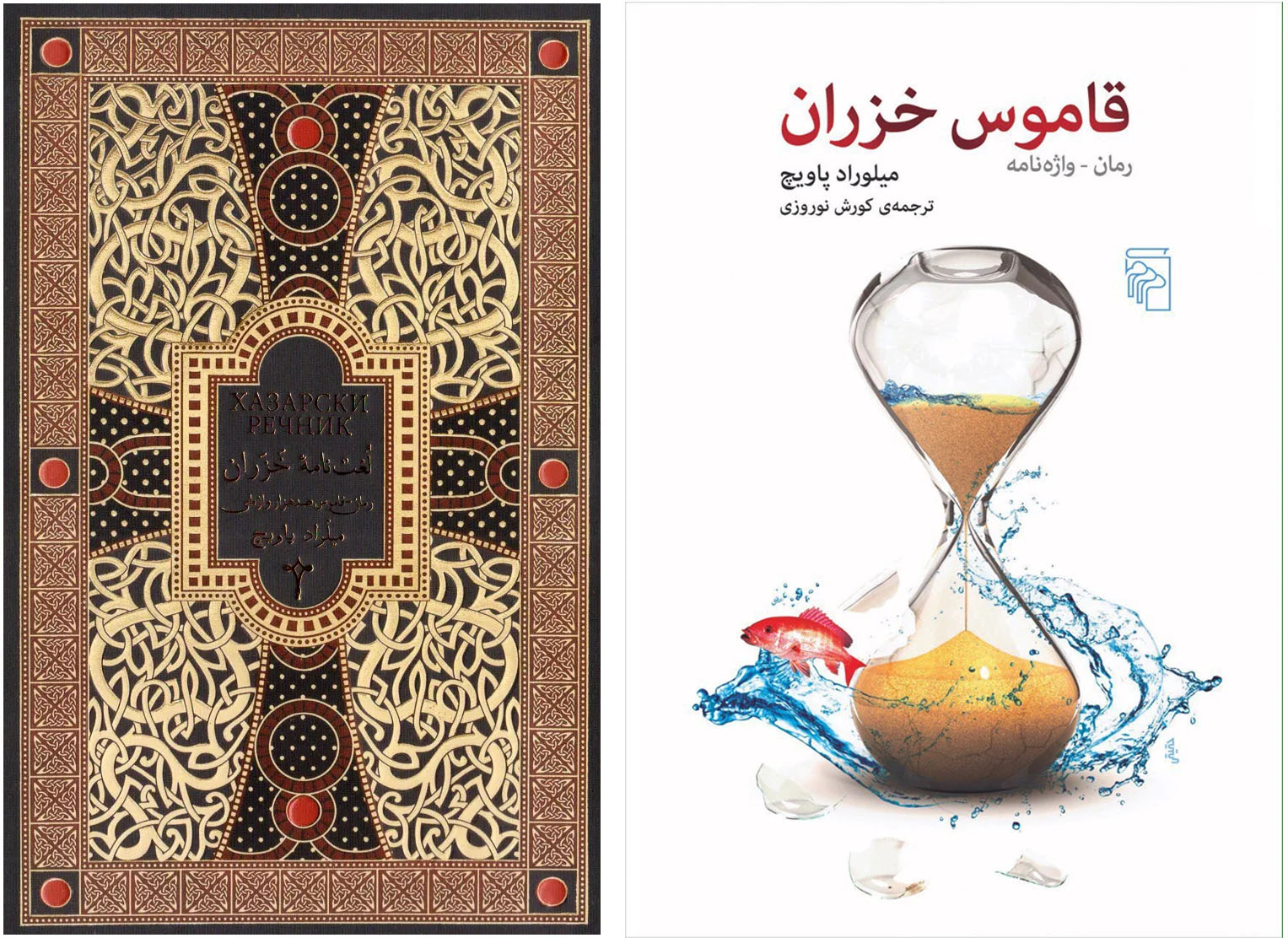
Revolution in form: while Pavić astonished the world with his nonlinear labyrinths of prose (such as Dictionary of the Khazars), Damjanov was one of the first and most important Serbian theorists to analyze and decode these procedures in detail and establish their place within Serbian literary scholarship.
Provocation and play: both understood literature as an interactive game with the reader, breaking down the rigid conventions of realism and introducing elements of phantasmagoria, mysticism, and defamiliarization. Damjanov often emphasized that Pavić was "the most unusual man he had ever met" – a gentleman in his manners, yet an absolute revolutionary in his way of thinking.
As chief editor, Damjanov led a major publishing undertaking: the preparation and publication of the nine-volume collected Literary-Historical and Essayistic Works of Milorad Pavić (published by the Cultural Centre of Vojvodina "Miloš Crnjanski" and the National Library of Serbia). Damjanov prepared these texts according to the most advanced textual scholarship standards, supplementing them with scholarly apparatus and reception studies, thus ensuring that Pavić's groundbreaking scholarly work would remain permanently accessible to new generations.
The relationship between Pavić and Damjanov is a rare example in Serbian culture of two powerful, original, and authentic literary figures who did not come into conflict but instead complemented one another. Pavić gave Damjanov wings and intellectual freedom within the academic world, while Damjanov repaid him with decades of profound theoretical understanding and, ultimately, by giving definitive form to his scholarly legacy.